A retail floor plan increases sales when it guides customers naturally toward your best-margin products, gives them room to browse without feeling crowded, and puts high-demand items where they’re easy to find. The right layout depends on your store’s size, product type, and traffic patterns, but every effective floor plan shares the same core principles: a clear entry zone, deliberate sightlines, and fixture placement that controls how customers move through the space. We’ve walked enough Miami retailers through layout planning to know that most sales lost to bad floor plans have nothing to do with the products — they’re a fixture problem.
Retail mannequins fall into a handful of categories, and most stores end up using a mix rather than committing to just one.
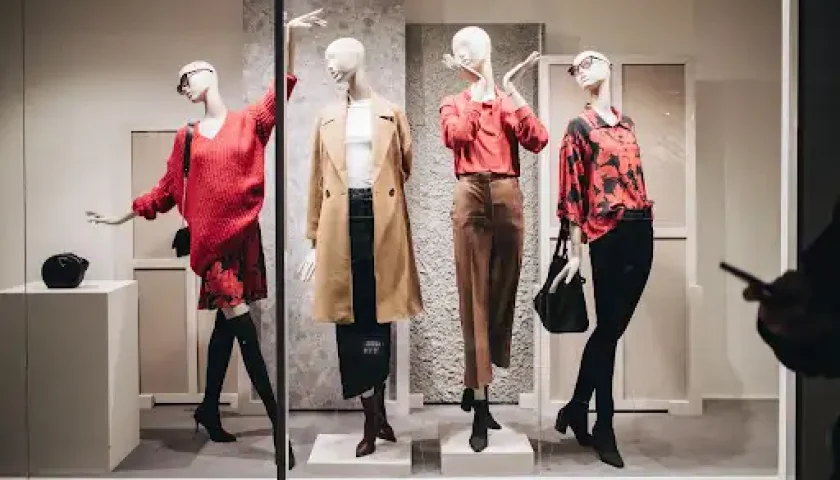
These are lifelike human forms with sculpted facial features, hands, and sometimes wigged heads. They work best for stores that want a strong, editorial presentation, think fashion boutiques, department store windows, and brands where the display itself is part of the marketing. Realistic mannequins take up the most visual space and require the most styling effort, but our curvy fashion and plus-size mannequin lines mean realistic-style forms aren’t limited to a single body type.

Abstract mannequins simplify or omit facial features entirely, often finished in a single matte color or with a smooth, faceless head. They read as modern and let the clothing stay the visual focus, rather than competing with a sculpted face. This makes them a common choice for contemporary and minimalist retail spaces, and for brands that want display continuity across multiple locations without matching skin tones or hairstyles. Browse our abstract mannequin collection if this is the direction you’re leaning.
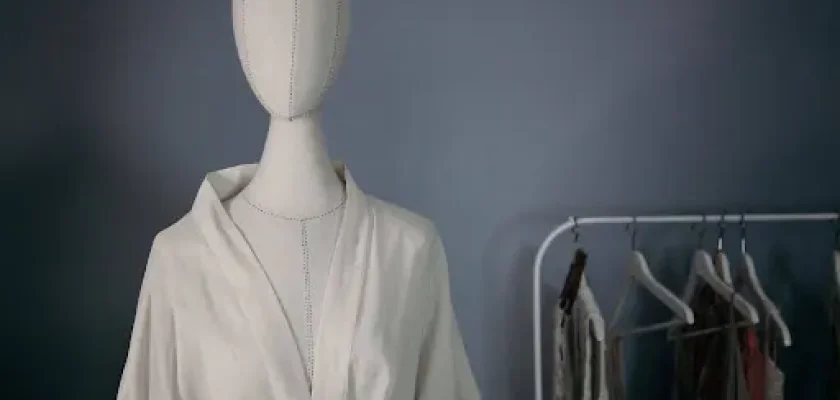
Headless (and often armless) forms are built for speed and focus. Without a head or arms to style, staff can dress and re-dress these forms quickly, which matters for stores that rotate window or floor displays often. They’re also a practical choice when you want the garment to be the only thing a customer’s eye lands on. Our torso and leg forms and half rounded forms are the closest match to this style in our current inventory.

Dress forms are torso-only, typically without legs, arms, or a head, and are designed to hold a garment at chest and waist level rather than present a full outfit. They’re common in boutiques with limited floor space, tailoring and alteration shops, and jewelry or accessory sections where the goal is showing a top or dress silhouette without the footprint of a full mannequin. See our dress form line, including our NEW AGE women’s creme jersey form.
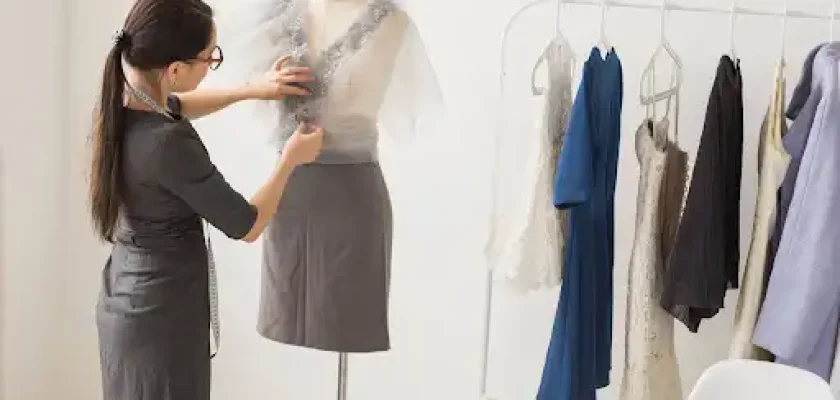
A torso form takes up a fraction of the footprint of a full-body mannequin, which matters in smaller boutique layouts where every square foot is doing double duty for inventory and walkway space.
If your visual merchandising team changes window or table displays weekly, a headless or dress form cuts styling time significantly since there's no hair, face, or hand positioning to manage.
Jewelry counters, accessory walls, and layered-top displays generally look cleaner on a form that doesn't compete with the product for attention.
Chains and franchise locations sometimes prefer forms over realistic mannequins specifically because there's no skin tone or hairstyle variation to manage store to store.
Full mannequins still make sense when the store’s brand identity depends on a complete, styled look, especially in fashion retail where customers are shopping for an outfit rather than a single item.
Best For
High
Abstract
Modern/minimalist retail, multi-location brands
Medium
Mid-range
Headless / Torso-Leg
High-turnover displays, product-first merchandising
Low
Mid-range to budget-friendly
Dress Forms
Small footprints, boutiques, alteration and jewelry displays
Low
As a general rule, the more of the human body a form represents (full mannequin vs. torso vs. dress form), the higher the cost and styling time, since more sculpted detail and finishing goes into each unit. Stores with limited staff time for visual merchandising tend to get more consistent use out of headless and dress forms even when budget isn’t the primary constraint.
The right mannequin type depends less on preference and more on how your store actually operates. A boutique changing window displays every week will get more consistent value out of headless or dress forms than realistic mannequins, even with the budget for either. Stores where the mannequin itself is part of the brand experience, like flagship fashion locations, are usually better served by full-body realistic forms despite the added styling time and cost.
Our recommendation for most retailers starting out is to mix types by section: dress forms or torso forms for quick-turn displays, and full or abstract mannequins reserved for the storefront window where first impressions matter most.
An abstract mannequin has a full head and body but with simplified or no facial features, while a headless mannequin has no head at all, only a neck or shoulder finish. Abstract forms still suggest a human shape and posture, while headless forms are built purely to display the garment with minimal styling required.
Not exactly. A dress form is torso-only and designed to hold a garment’s shape at the chest and waist, while a mannequin typically represents more of the full body, including legs, arms, or a head. Dress forms are common in tailoring, alterations, and small-footprint boutique displays
Headless torso forms and dress forms generally work best for small boutiques because they take up less physical space and let staff change displays quickly without needing to restyle hair, hands, or a face each time.
Abstract mannequins work well for most apparel categories, but stores selling highly fitted or structured garments sometimes prefer realistic forms since the body’s natural contours help the fit read correctly to shoppers.
Miami Display carries a full range of mannequins and forms, from realistic full-body styles to headless and dress forms, so you can outfit your store without special orders or long lead times. Contact us, and we’ll help you match the right type to your space and budget.