Acrylic Displays vs. Wood and Metal: What’s Right for Your Store?
Acrylic is the best choice when you want the product to be the focus, wood suits warm and premium settings, and metal suits heavy loads and busy floors. Most stores get the best result by mixing them: metal or wood for structure, and acrylic for the pieces closest to the customer’s eyes and hands.
The right material depends on what you sell, how much weight it carries, and the look you want customers to see. This is one of the questions we hear most from retailers planning a new store or a refresh. The sections below compare the three on durability, cost, and style so you can choose by use rather than by habit.
What Makes Acrylic Different From Wood and Metal Displays?
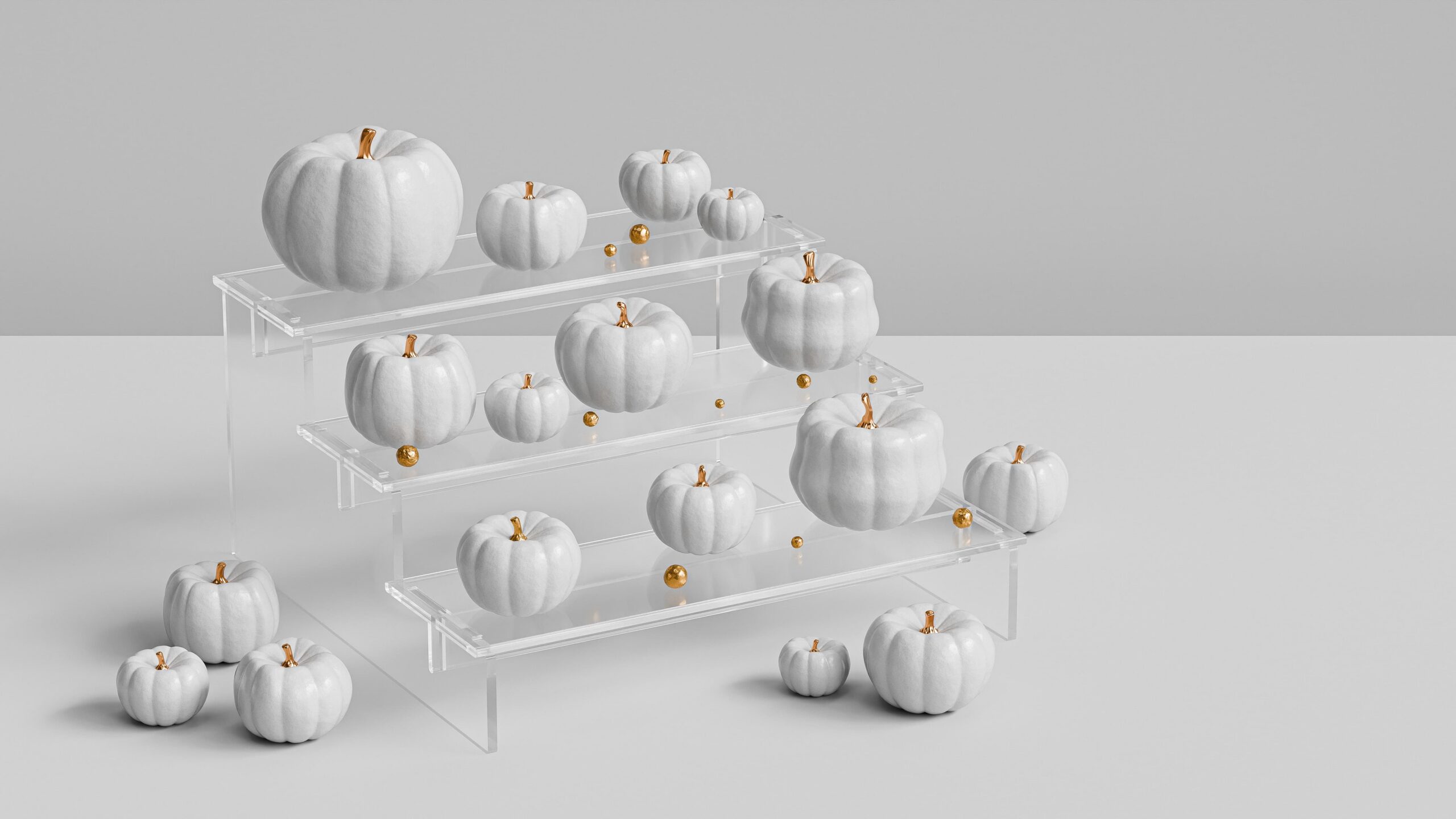
Acrylic is a clear, rigid plastic sheet that is cut, shaped, and polished into risers, stands, shelves, and cases. Three differences matter most in a store.
Visual weight.
Wood and metal are visible in the display. Acrylic nearly disappears, so the eye goes to the product instead of the fixture. That is why it is common for small items, cosmetics, accessories, and anything where the product is the story.
Weight and handling.
Acrylic is lighter than glass and typically lighter than solid wood or steel of similar size, so it is easier to move, restock, and rearrange. That helps if you change displays often for seasons or promotions.
Fabrication.
Acrylic can be cut and bent to custom sizes, which suits odd-sized products or tight spaces. Wood and metal can be custom-made too, but lead time and cost depend on the finish and construction.
How Do Acrylic, Wood, and Metal Compare on Durability?
The table below compares the three materials on the points retailers ask about most. Ratings are general; a fixture’s exact performance depends on its grade, thickness, and construction, so confirm specifications with your supplier.
Acrylic
Wood (solid, veneer, laminate)
Metal (steel, aluminum)
Look
Clear, minimal
Warm, traditional or premium
Industrial, slim, modern
Impact resistance
Good; resists shattering better than glass
Moderate; can dent or chip
High
Scratch resistance
Lower; marks more easily
Moderate
Good, depending on finish
Moisture
Does not absorb water
Can swell or warp if unsealed
Can rust if the finish is damaged
Load capacity
Light to medium
Medium to heavy
Heavy
Upkeep
Gentle cleaning needed
Occasional refinishing
Touch-up if the finish chips
Best use
Small items, risers, close-up displays
Boutique counters, premium feel
Gondolas, heavy merchandise, high-traffic floors
Acrylic’s main weakness is surface scratches. It will not crack like glass, but it shows wear faster than metal. In our experience, most scratches on acrylic come from cleaning with the wrong cloth or spray, not from customers. Wood is forgiving in daily use, but moisture is its weak point, which matters in humid South Florida if the finish is not sealed. Metal is the workhorse for heavy loads, and its downside is that a chipped finish can lead to rust over time.
Our view: use acrylic at hand height, not as the whole store. Acrylic works best where customers look closely and handle products. Heavy loads and long wall runs belong on metal or wood.
How Do the Costs Compare?
Price rankings vary with thickness, size, finish, and quantity, so compare quotes for the same dimensions rather than relying on a general rule. Look at three costs beyond the price tag.
Upfront price.
Basic laminate or particleboard fixtures often cost the least. Custom hardwood and fabricated metal can cost more, and acrylic usually sits somewhere in that range, depending on thickness and fabrication.
Maintenance and replacement.
A scratched acrylic riser may need replacing sooner than a metal one. A wood fixture may need refinishing. Add the cost of upkeep over a few years, not just the first invoice.
Shipping and handling.
Lighter fixtures are easier and cheaper to ship and set up. Acrylic needs careful packing to avoid scuffs in transit, so check how your supplier ships it.
Why Is the Minimalist, Clear-Sightline Look Shaping Retail Display?
Many retailers are moving toward cleaner stores where fixtures support the merchandise instead of competing with it. Acrylic fits that approach for a few practical reasons.
1. It keeps attention on the product.
When the fixture is clear, color, texture, and packaging do the selling. This is especially useful in crowded categories where products look alike.
2. It keeps sightlines open.
Clear risers and shelves let customers see across a fixture and let staff see the floor. That helps in small stores, where bulky fixtures make the space feel tight.
3. It adapts easily.
Clear fixtures take on the style of the store around them, so they work with any wall color, flooring, or brand palette. When you refresh the store, the acrylic usually still fits.
A question we often hear is whether acrylic looks cheap. Thicker sheets with polished edges read as premium; thin, unfinished ones do not. Ask to see the edge finish and thickness before you order.
For how fixtures work with the wider floor, see our guide on designing a retail floor plan that increases sales.
How Should You Care for Acrylic Displays?
Acrylic lasts longest with gentle care. Wipe it with a soft microfiber cloth and mild soapy water, and dry it gently. Avoid paper towels, abrasive pads, and ammonia-based glass cleaners, which can scratch or cloud the surface. Brush off dust before wiping so grit does not scratch the surface. Ask your supplier for any cleaner they recommend for the specific product.
Which Material Fits Which Part of Your Store?
Match the material to the job instead of choosing one for the whole store.
Small items near the counter.
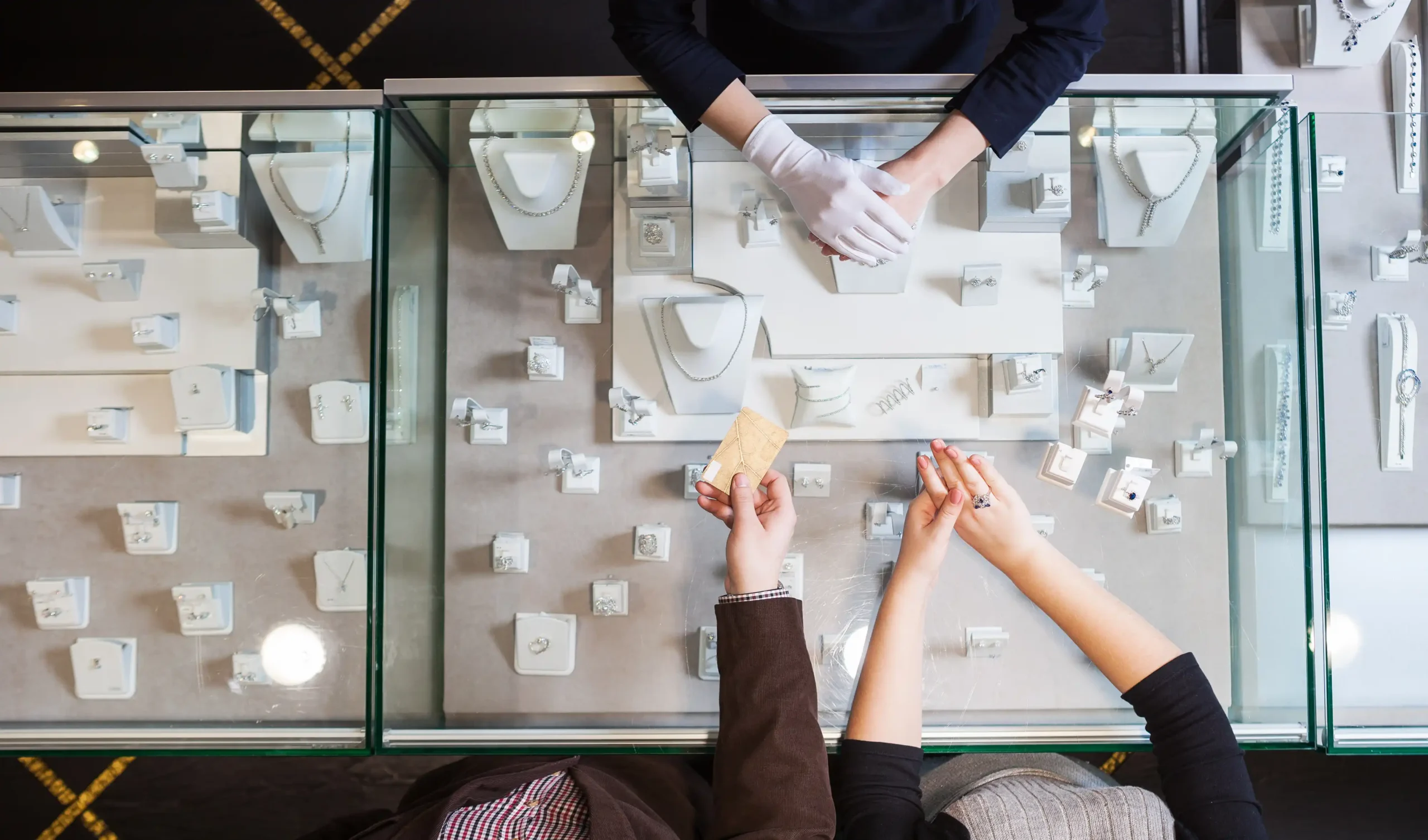
Our acrylic displays include countertop and free-standing units and multi-tier displays that keep small products visible and tidy beside the register. For jewelry, see our acrylic jewelry displays, and for high-value pieces, our guide to jewelry display cases.
Heavy or bulky merchandise.
Metal fixtures such as gondolas and racks carry heavy loads and handle busy aisles. Use them for the main floor and let acrylic add detail at the front. For a closer look at wall systems, see gondola shelving vs. slatwall.
Premium or boutique settings.
Wood-finish fixtures give counters and feature displays a warmer feel. Our counters come in maple and walnut finishes, among others, which suit places where the look matters as much as the load.
Mixed layouts.
A common approach is metal or wood for structure and acrylic for the product-facing pieces. A pattern we see often is a store that starts with one material throughout and later adds acrylic at the counter to lift key products. Keep to two or three materials so the store looks planned. Our store design service can help you plan the mix, and the project gallery shows how other retailers have combined materials.
What You Should Know Now
Acrylic keeps the focus on your product, wood adds warmth, and metal carries the load. Choose each by use, then mix them so that structure comes from metal or wood and the product-facing pieces come from acrylic.
Frequently Asked Questions
Is acrylic more durable than wood or metal for store displays?
Acrylic resists moisture better than wood and shattering better than glass, but metal is usually stronger for heavy loads. Acrylic also scratches more easily than metal. Choose metal for weight-bearing fixtures, and acrylic for lighter items customers view up close, such as accessories, cosmetics, and small gifts.
Is acrylic cheaper than wood or metal displays?
Not always. Acrylic can cost less than custom hardwood or fabricated metal but more than basic laminate or particleboard, depending on thickness, size, and finish. Compare quotes for the same dimensions and include upkeep and replacement in the total, since a cheaper fixture that needs refinishing or replacing sooner can cost more over time.
How do you clean acrylic displays without scratching them?
Wipe acrylic with a soft microfiber cloth and mild soapy water, then dry gently. Avoid paper towels, abrasive pads, and ammonia-based glass cleaners, which can scratch or cloud the surface. Brush off loose dust first so grit doesn’t drag across the acrylic, and use any cleaner your supplier recommends.
Does acrylic hold up in a Miami store with sun and humidity?
Yes, it handles humidity because acrylic doesn’t absorb moisture the way wood can. Strong direct sunlight is the bigger concern, since some grades can yellow or warp over time near hot windows. Keep clear fixtures out of direct sun where possible, and ask your supplier about UV-stable options.
Can you mix acrylic, wood, and metal in one store?
Yes, and many stores do. A common approach uses metal or wood for structure, such as gondolas, shelving, and counters, and acrylic for risers, shelf toppers, and small-item displays. Limit the finishes to two or three materials so the store looks planned instead of patched together.
Not Sure Which Materials Fit Your Store?
Miami Display can review your space, products, and budget to recommend the right mix of acrylic, wood, and metal fixtures. For Miami-area locations, we offer on-site measurement; for other locations, we can work from your shop drawings.